
About PHOBOSIA
PHOBOSIA is an independent, browser-based 3D exploration and scientific observation experience powered by authentic planetary elevation data.
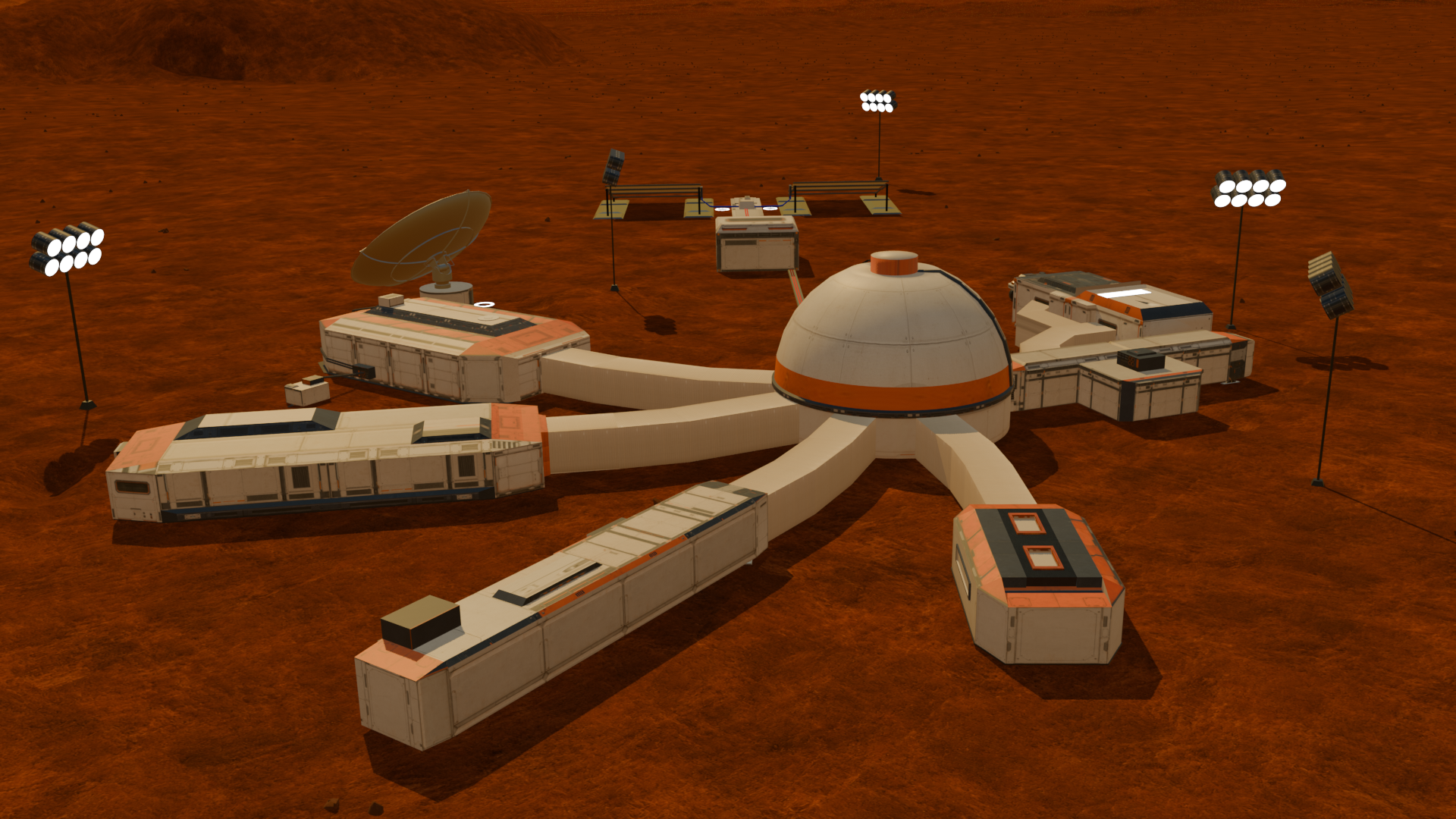
Outpost Location: Elysium Planitia (4.5° N, 135.9° E)
A self-contained research enclave built to study Martian volcanology, mineralogical stratigraphy, and closed-loop bioregenerative life support.
Why Mars? Why a Browser Experience?
Accessible Planetary Science for Everyone
Space exploration games often gravitate toward exaggerated sci-fi tropes: alien shootouts, faster-than-light hyperdrives, or sprawling fantasy space stations. In contrast, PHOBOSIA was founded on scientific grounding and quiet human reality.
Mars is the next frontier of human habitation. Yet, the genuine technical constraints—such as surviving in an atmosphere less than 1% the density of Earth's, managing tight kilowatt budgets under dust-choked skies, and navigating uneven boulder-strewn basaltic fields—are rarely simulated authentically in an accessible medium.
By engineering PHOBOSIA as a zero-install browser application using Three.js and WebGL, anyone with a modern web browser can step into the boots of an astronaut without purchasing high-end gaming consoles or downloading multi-gigabyte client installers.
The Fictional Outpost
PHOBOSIA is envisioned as a prototype surface base consisting of five interconnected pressurized pods: Habitat, Mission Control, Science Lab, Engineering, and Airlock. It illustrates how modular architecture could sustain human endurance on Mars.
Scientific Observation
Rather than arbitrary quest markers, daily tasks revolve around authentic scientific methods: conducting rock spectroscopy, measuring atmospheric pressure drops, launching aerial drone sweeps, and balancing hydroponic cultivation chemistry.
Target Audience & Impact
Designed for aerospace enthusiasts, STEM students, educators, and gamers who appreciate thoughtful realism, technical depth, and atmospheric environmental storytelling.
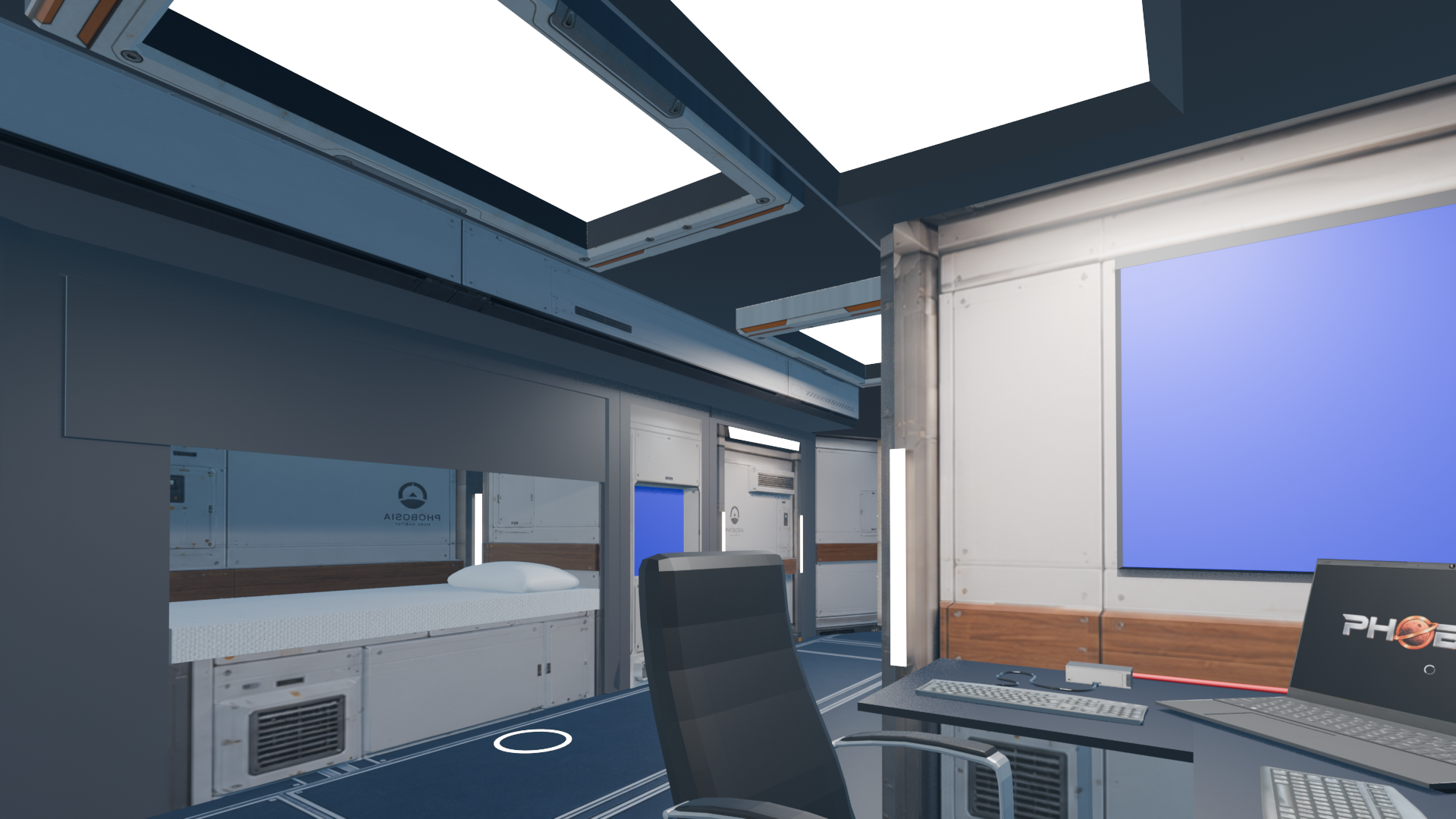
Human Factors & Psychological Well-being
Living quarters engineered to simulate Earth circadian lighting, personal workspace privacy, and nutritional recycling to safeguard astronaut mental health during multi-year expeditions.
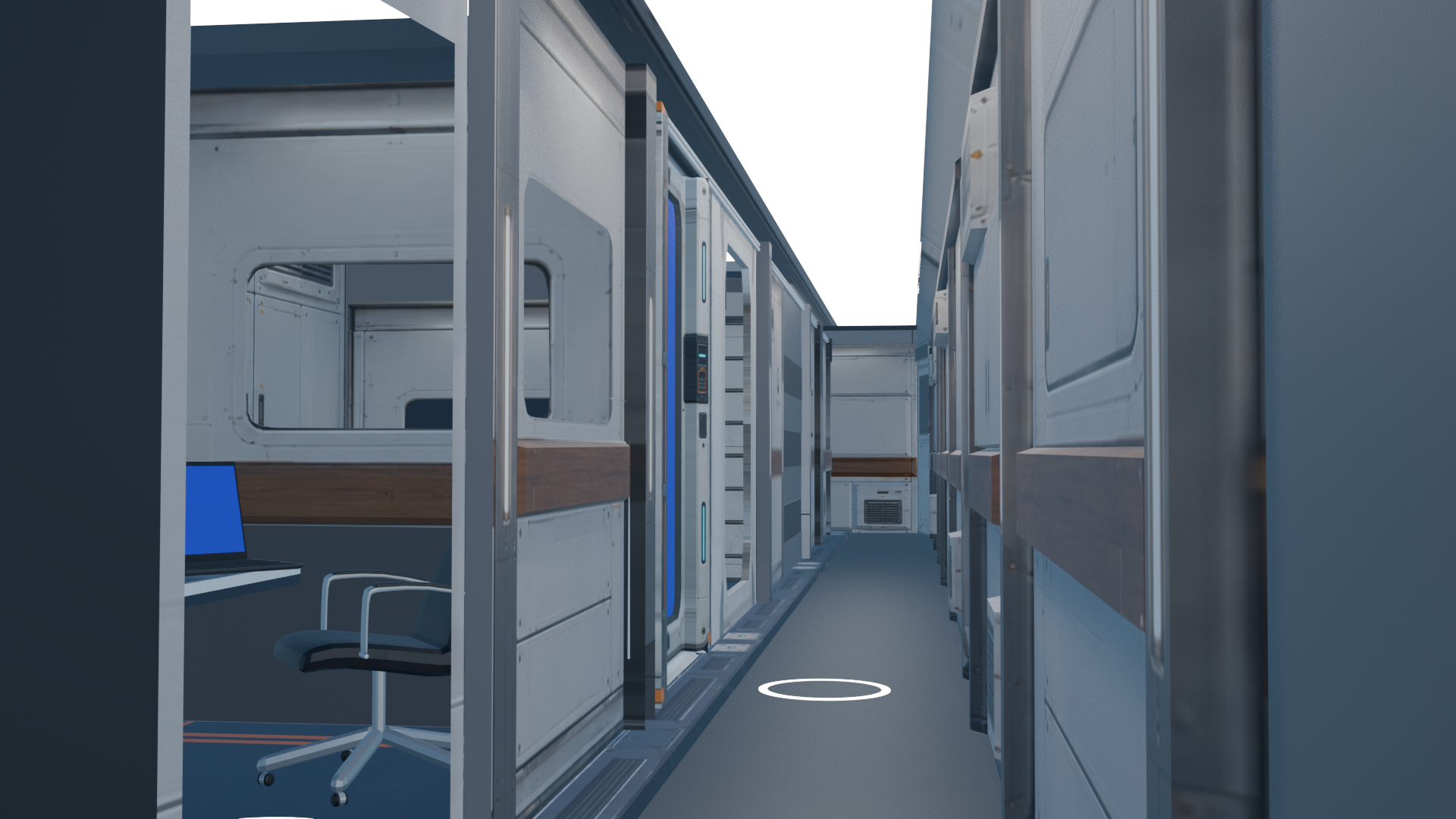
Bioregenerative Ecology & Sample Analysis
Dual closed-loop cultivation pods testing crop transpiration under simulated Martian light recipes alongside spectrometers analyzing volcanic regolith.